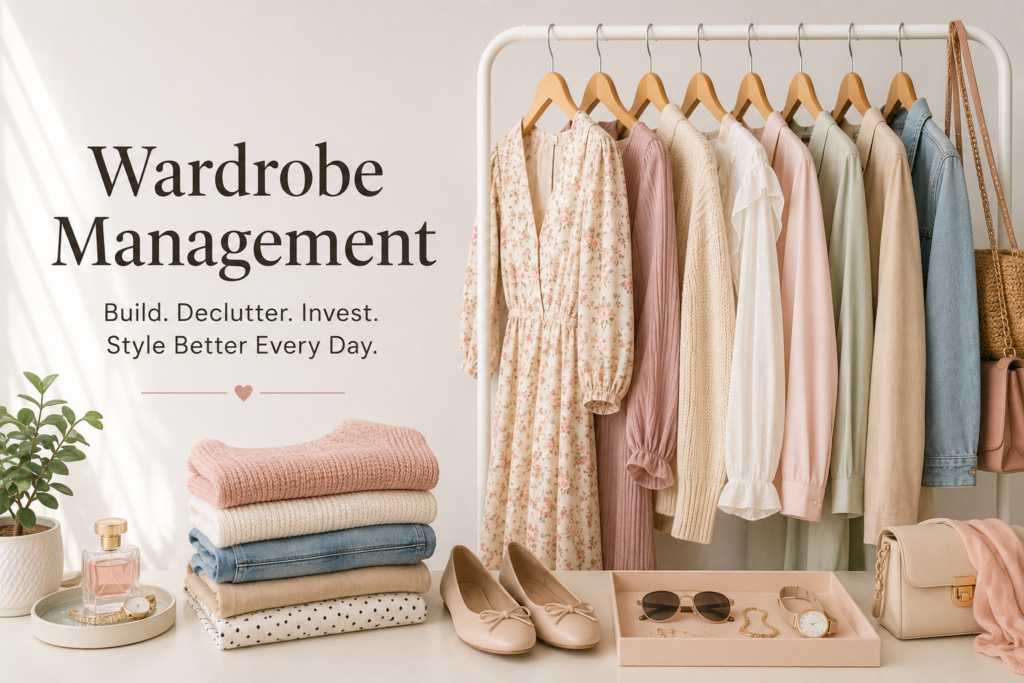
Personal style is one of the quickest ways to boost your confidence and shape how the world perceives you before you even say a word. Yet most people believe that looking stylish requires a designer wardrobe or a bottomless bank account. The truth is far simpler: great style is built on habits, not price tags. A well-fitted t-shirt and clean sneakers will always look better than an expensive outfit that doesn’t suit you or your occasion.
This guide breaks down everything you need to start dressing better every single day. We’ll cover five key areas: foundational principles, daily habit formation, color theory and aesthetics, wardrobe management, and strategic styling methods. By the end, you’ll have a clear, practical roadmap to build a look that feels authentically yours.
Foundational Principles
Before diving into trends or color palettes, it helps to understand the basics that every stylish outfit is built on. These principles apply no matter your age, budget, or gender
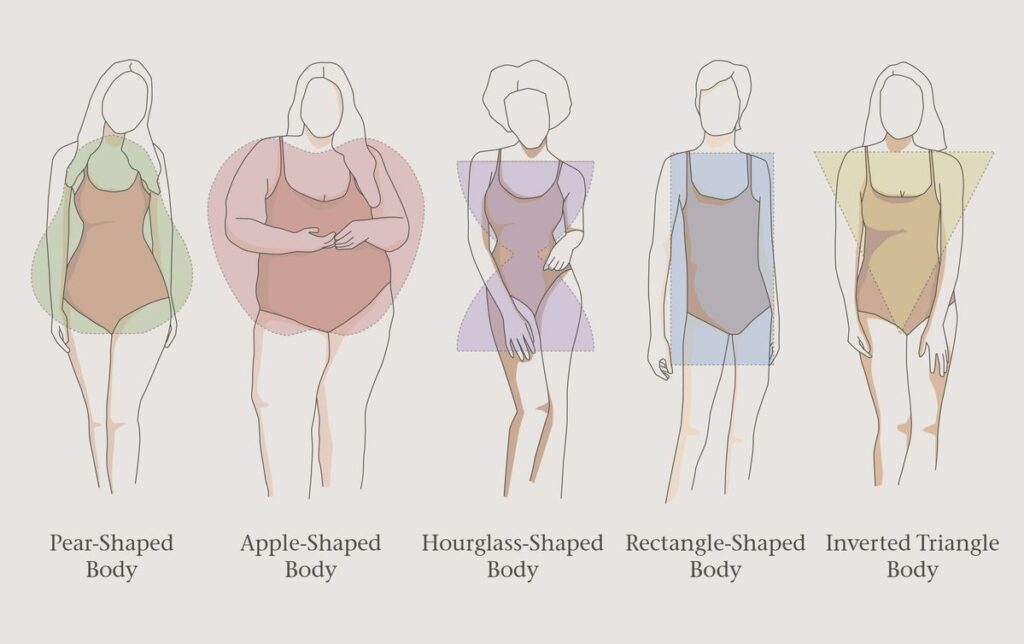
Know Your Body Shape
Understanding your body shape is the first step toward dressing in a way that flatters you. Common body types include rectangle, triangle, inverted triangle, hourglass, and oval — and each responds differently to certain cuts and silhouettes.
For example, someone with broader shoulders may benefit from outfits that balance the upper body with slightly fuller trousers, while someone with a rectangular frame might use belts or layered pieces to create the illusion of curves. The goal isn’t to hide your body — it’s to choose clothing that works with your natural proportions rather than against them. Once you know what silhouettes suit you, shopping becomes faster and far less frustrating.
Dress for the Occasion
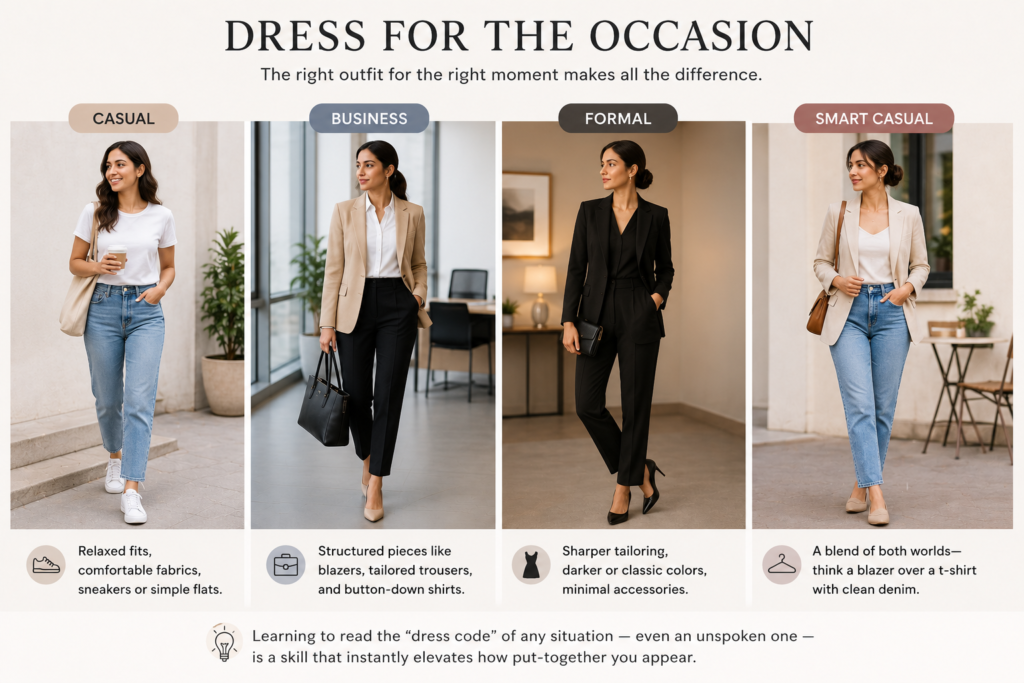
A stylish outfit is one that fits its context. Wearing a suit to a casual brunch is just as much a style mistake as wearing gym clothes to an important meeting.
Casual: relaxed fits, comfortable fabrics, sneakers or simple flats.
Business: structured pieces like blazers, tailored trousers, and button-down shirts.
Formal: sharper tailoring, darker or more classic colors, minimal accessories.
Smart casual: a blend of both worlds — think a blazer over a t-shirt with clean denim.
Learning to read the “dress code” of any situation — even an unspoken one — is a skill that instantly elevates how put-together you appear.
Fit Is More Important Than Brand
If there’s one styling truth that changes everything, it’s this: fit beats brand every time. A $30 shirt that’s tailored to your body will always look more expensive than a $300 shirt that’s baggy in the wrong places.
Oversized clothing can work intentionally as a style choice, but unintentional oversized or too-tight clothing reads as sloppy rather than stylish. Pay attention to shoulder seams, sleeve length, and how trousers break at the shoe. A quick trip to a local tailor for hemming or minor adjustments can transform an average outfit into one that looks custom-made.
Daily Habit Formation
Style isn’t just about clothes — it’s about the habits you build around them. Small daily routines make a noticeable difference over time.
Plan Your Outfit the Night Before
Deciding what to wear in a rushed morning often leads to mismatched or uninspired outfits. Planning your outfit the night before saves time, reduces decision fatigue, and gives you the mental space to actually think through color coordination and layering.
This habit is especially useful for busy professionals and students who need to move quickly in the morning without sacrificing how they look.
Keep Clothes Clean and Well Maintained
No outfit looks stylish if it’s wrinkled, stained, or paired with scuffed shoes. Maintenance is an underrated pillar of personal style:
Iron or steam clothes regularly, especially shirts and blazers.
Clean your shoes often — scuffed or dirty shoes instantly age an otherwise sharp outfit.
Store clothes properly using hangers for structured pieces and folding for knitwear to avoid stretching.
These small efforts ensure that even your simplest outfits look intentional and cared for.
Build Confidence Through Consistency
Confidence is often what separates someone who “looks good” from someone who truly has style. Wearing your outfit with confidence — standing tall, moving naturally, not fidgeting with your clothes — makes any look more compelling.
Over time, as you repeat certain combinations and discover what makes you feel your best, you begin to develop a signature style: a recognizable, personal way of dressing that people associate with you.
Color Theory and Aesthetics
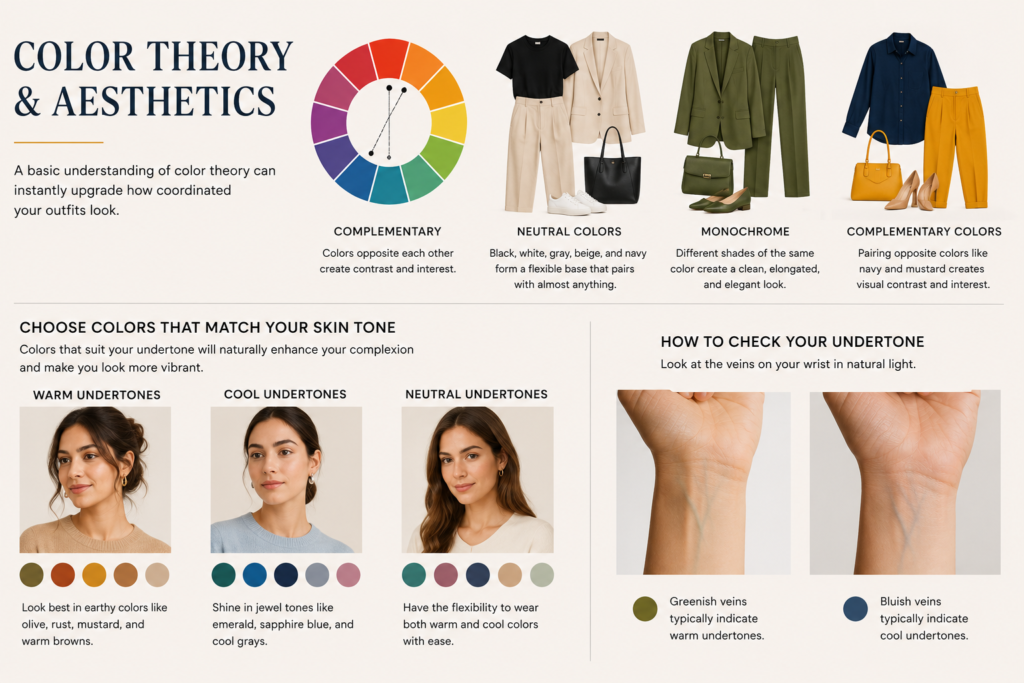
Color is one of the most powerful (and most overlooked) tools in everyday styling. A basic understanding of color theory can instantly upgrade how coordinated your outfits look.
Learn Basic Color Combinations
You don’t need a design degree to combine colors well. A few reliable formulas include:
Neutral colors: black, white, gray, beige, and navy form a flexible base that pairs with almost anything.
Complementary colors: colors opposite each other on the color wheel (like navy and mustard) create visual contrast and interest.
Monochrome outfits: dressing in different shades of the same color creates a clean, elongated, and elegant look.
Starting with neutrals is the safest way to build confidence before experimenting with bolder combinations.
Choose Colors That Match Your Skin Tone
Certain colors naturally complement your complexion more than others, based on your undertone:
Warm undertones often look best in earthy colors like olive, rust, mustard, and warm browns.
Cool undertones tend to shine in jewel tones like emerald, sapphire blue, and cool grays.
Neutral undertones have the flexibility to wear both warm and cool colors with ease.
A simple way to check your undertone is to look at the veins on your wrist in natural light — greenish veins usually indicate warm undertones, while bluish veins suggest cool undertones.
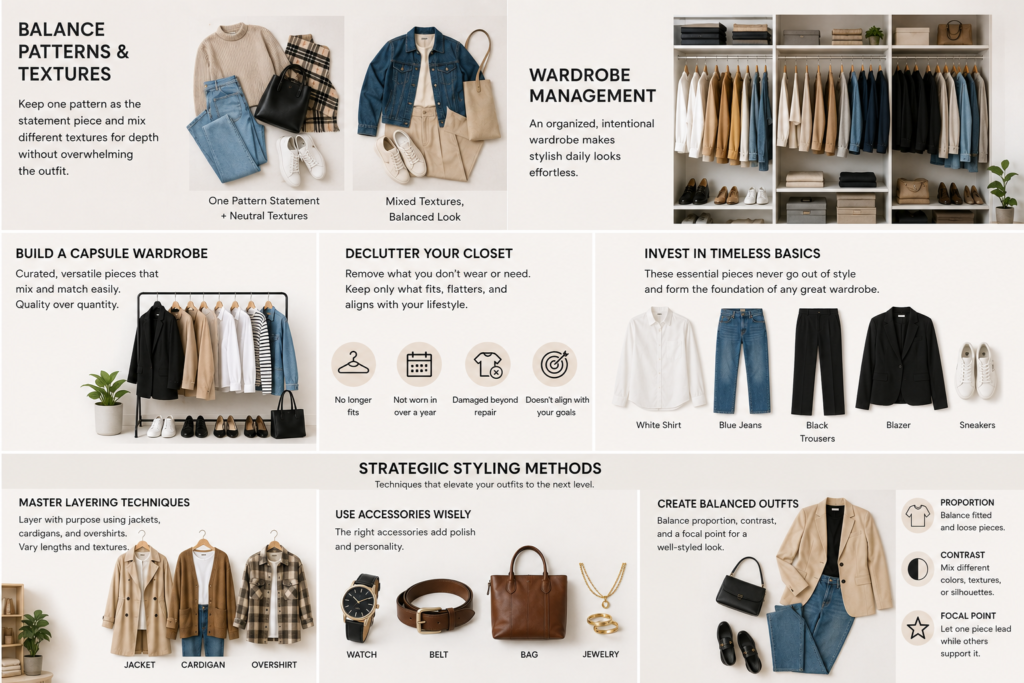
Balance Patterns and Textures
Mixing patterns and textures adds depth to an outfit, but it should be done with intention. A good starting rule is to keep one item as the pattern “statement piece” while the rest of the outfit stays neutral or solid.
Similarly, mixing textures — like a smooth cotton shirt with a textured knit or denim — adds visual interest without overwhelming the eye. The key is balance: too many patterns or textures competing for attention can make an outfit feel chaotic rather than curated.
Wardrobe Management
A stylish daily look is far easier to achieve when your wardrobe is organized and intentional, rather than overflowing with things you rarely wear.
Build a Capsule Wardrobe
A capsule wardrobe is a curated collection of essential, versatile pieces that can be mixed and matched to create multiple outfits. The idea is quality over quantity — owning fewer, better-made items that all work together, rather than a closet full of pieces that only pair with one specific outfit.
This approach also simplifies daily decision-making, since every item in your closet is something you actually enjoy wearing.
Declutter Your Closet
Before building a better wardrobe, it helps to clear out what no longer serves you. Remove clothing that:
No longer fits properly
Hasn’t been worn in over a year
Is damaged beyond repair
Doesn’t align with your current lifestyle or goals
Organizing what remains by category (tops, bottoms, outerwear, shoes) makes it easier to see what you have and identify any gaps in your wardrobe.
Invest in Timeless Basics
Certain pieces never go out of style and form the backbone of nearly any outfit. These include:
A crisp white shirt
A well-fitted pair of blue jeans
Tailored black trousers
A classic blazer
A clean pair of sneakers
These five items alone can be combined in dozens of ways to create casual, business, and smart-casual looks — making them a smart first investment for anyone building a better wardrobe.
Strategic Styling Methods
Once you have the foundational pieces and habits in place, these styling techniques help you elevate your outfits further.
Master Layering Techniques
Layering adds depth, versatility, and visual interest to an outfit while also making it practical for changing weather. Some go-to layering pieces include:
Jackets — great for structure and outdoor wear.
Cardigans — softer, more relaxed layering for cooler days.
Overshirts — a versatile middle layer that works over t-shirts and under jackets.
The key to good layering is varying the lengths and textures so each layer is visible rather than hidden entirely underneath the next.
Use Accessories Wisely
Accessories are the finishing touch that can make a simple outfit look intentional and elevated:
Watches add a polished, put-together feel to both casual and formal looks.
Belts should match your shoes for a cohesive appearance.
Bags should be functional but also complement your outfit’s color palette.
Jewelry works best in moderation — a few well-chosen pieces make more impact than an overloaded look.
Create Balanced Outfits
The final piece of the styling puzzle is learning to balance an outfit as a whole:
Proportion: pair fitted pieces with looser ones to avoid looking either too baggy or too tight overall.
Contrast: combine different textures, colors, or silhouettes to keep the outfit visually engaging.
Focal point: let one piece — a statement jacket, a bold shoe, an eye-catching accessory — lead the outfit while everything else supports it.
Mastering these three elements is what separates outfits that “just happen” from outfits that look deliberately styled.
Create Balanced Outfits
The final piece of the styling puzzle is learning to balance an outfit as a whole:
Proportion: pair fitted pieces with looser ones to avoid looking either too baggy or too tight overall.
Contrast: combine different textures, colors, or silhouettes to keep the outfit visually engaging.
Focal point: let one piece — a statement jacket, a bold shoe, an eye-catching accessory — lead the outfit while everything else supports it.
Mastering these three elements is what separates outfits that “just happen” from outfits that look deliberately styled.
Final Thoughts
Improving your everyday style doesn’t require a complete wardrobe overhaul or a big budget — it requires small, intentional changes practiced consistently. Start by understanding your body shape and the occasions you dress for, build simple daily habits like planning outfits ahead of time, and slowly experiment with color and layering as your confidence grows.
Remember, the goal isn’t to copy someone else’s style — it’s to build a wardrobe and a way of dressing that authentically reflects who you are. Start small, stay consistent, and let your personal style evolve naturally over time.
Want to keep learning? Check out our related guides on [how to choose clothes according to your skin tone], [wardrobe essentials for beginners], [building a capsule wardrobe], [common fashion mistakes to avoid], and